Away Luggage Review: What Do You Get for the Lower Price?
In the world of modern travel gear, Away luggage has carved out a distinct identity by championing a direct-to-consumer model that promises sleek design and compelling features without the exorbitant price tags of legacy brands. But what exactly do you get when you trade the higher price points of stalwarts like Rimowa or boutique makers like Von Baer for the more accessible Away carry-on? In this review, we'll dig deep into Away's materials, hardware, design philosophy, and real-world usability — especially on those unforgiving airport carousels.
Understanding the Market: Direct-to-Consumer Meets Quiet Luxury
Away's business model is fundamentally different from traditional luggage companies. By selling away direct-to-consumer luggage online and cutting out the middlemen, they offer competitive pricing that can feel like a breath of fresh air compared to premium brands with retail markups.
Where Away stands out is in embracing a quiet luxury ethos — no oversized logos shouting out your brand choice. This contrasts sharply with brands like Joe's Daily, who tend toward bold, attention-grabbing branding. The subtle Away branding tends to age better and is less likely to attract unwanted baggage claim attention, an often overlooked factor in real-world travel scenarios. (Yes, baggage claim reality checks matter!)
Quiet Luxury vs Loud Logos
- Quiet luxury: Minimalist branding, clean lines, design-first approach.
- Loud logos: Flashy, instantly recognizable brand marks, sometimes at the expense of sophistication.
While some travelers prefer the prestige of names plastered across their gear, many seasoned flyers opt for understated elegance that doesn't make their baggage an obvious target during airport carousel chaos.
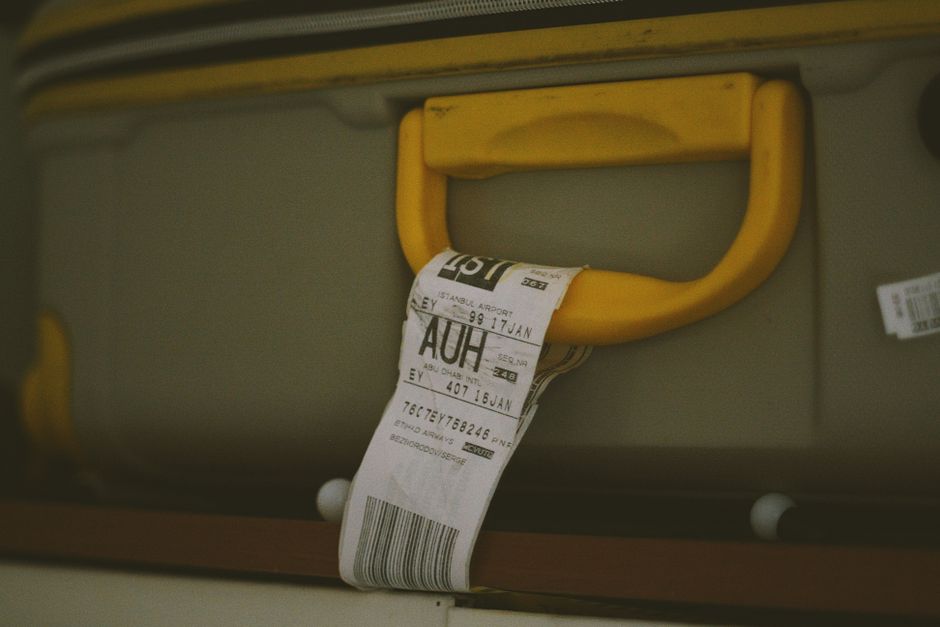
Materials: What About the Polycarbonate and Leather?
The backbone of most popular carry-ons today, including Away's, is polycarbonate—the favored choice for its lightweight, durable, and impact-resistant properties. But not all polycarbonates are created equal.
Polycarbonate Quality and Impact Behavior
Away uses a high-quality polycarbonate shell engineered to flex under impact, rather than crack. This ability to absorb and dissipate force reduces the risk of structural damage during rough handling. In comparison, Rimowa utilizes anodized aluminum or high-grade polycarbonate that often comes with more expensive manufacturing processes but also a comparable impact absorption capability.
It's important to note that the reality of baggage claim scenarios — where luggage frequently meets conveyor belts, stacking, and sometimes careless airport staff — means a suitcase's shell durability should be scrutinized beyond marketing claims.
Leather Reality Check: Full-Grain vs Bonded
One of the biggest pet peeves that longtime luggage reviewers encounter is vague leather claims. "Genuine leather" is often a marketing catch-all that includes bonded leather—leather scraps glued together — rather than the premium full-grain hides some brands promise.
Away historically has used synthetic leather accents or bonded leather trims on their compression system suitcase handles and zipper tabs. This choice supports their affordability strategy, but it falls short of the durability and aging elegance delivered by full-grain leather, which Von Baer proudly integrates in its handcrafted lines.
A simple rule of thumb: If a brand doesn't explicitly say “full-grain leather,” assume it's bonded or corrected leather. The latter can peel or delaminate over time, especially under frequent travel stress and exposure to moisture, a tough fact to overlook in any luggage warranty consideration.
The Hardware Test: What Breaks First?
After 12 years in gear review and retail returns management, I maintain a running list of hardware failures in luggage:
- Wheels (especially the spinning 360° models)
- Telescoping handles
- Zippers (both sliders and teeth)
Away’s carry-on features include multi-directional spinner wheels designed to roll smoothly and quietly — a welcome attribute in busy airport terminals. Their wheels are made with durable polyurethane but are not quite as robust as Rimowa’s heavy-duty German-engineered rollers designed to last a decade of travel abuse.

Handle durability is decent but doesn't match the reinforced aluminum telescoping systems found on higher-end brands, which often come with lifetime warranties and easier replacement parts. A handle mishap at the baggage claim area means one less way to maneuver your bag easily, so solid construction is key.
Regarding zippers, Away opts for YKK zippers—industry-standard hardware joesdaily.com that balances smooth operation with acceptable longevity. However, the zipper rails themselves sometimes struggle under overpacking conditions, especially on compression system luggage that’s designed to expand and then compress the contents tighter.
In contrast, Von Baer’s luxury suitcases feature heavy-duty, lockable zippers that are less prone to snagging or breaking, underscoring the trade-off between price and out-of-the-box upgrade quality.
Away Compression System Suitcase: Feature Breakdown
The compression system suitcase is one of Away’s flagship innovations. It allows travelers to expand the interior space for packing and then compress back down to a slim profile, a major plus when checking weight limits strategically.
Feature Description Benefit Compression Zipper Extra zipper that shrinks the bag’s thickness by flattening contents. More packing space without extra bulk, weight savings for carry-on limits. Removable Laundry Bag Internal mesh bag for separating dirty clothes. Keeps clean clothes fresh, helps with organization. Built-in USB Charger Battery and pass-through USB port in carry-on handles. Convenient device charging during travel, no bulk of external power bank.This combination of practical features hands travelers useful tools but also invites scrutiny about weight. The extra hardware adds several pounds to an already 7-9 lb carry-on, so conscientious packers should balance convenience with weight management—particularly in direct-to-consumer luggage where every ounce counts.
Comparing Pricing and Warranty
Away's price point typically sits between the budget mass-market options and premium designer luggage. For example, their carry-ons hover around $250-$300, while Rimowa models start around $600 and can run several thousand dollars.
Von Baer, targeting the luxury niche, commands even higher prices but backs their products with comprehensive repair services and replacement parts—an essential consideration for items prone to wear and tear from travel.
Another sore spot in luggage reviews is warranty transparency. Away offers a 5-year warranty covering manufacturer defects, which is generous in the direct-to-consumer space. However, hardware replacement services are limited compared to established brands with extensive parts networks, meaning repairs can become expensive or impractical once out of warranty.
Final Thoughts: Is Away the Right Choice for You?
If you’re looking for modern, minimalist design with solid materials, functional compression features, and a direct-to-consumer price advantage, Away offers a compelling package. Their away carry-on features balance innovation with everyday practicality — especially for travelers tired of noisy brands and overstated logos.
However, if you prioritize ultra-premium materials like genuine full-grain leather, heirloom-level hardware durability (wheels, zippers, handles), and extensive repairability, brands like Rimowa and Von Baer still hold the edge. Remember, the harsh reality of airport baggage claim means to always expect impact, abrasion, and repeated handling. Buying luggage is ultimately about managing those real-world risks with the best blend of price, features, and durability.
Whether you’re a first-time buyer or a seasoned traveler swapping out your old spinner, understanding these trade-offs will help you pack smarter and travel lighter — not just in baggage, but in peace of mind.